Friday, 9 January 2015

Quick Spaghetti with pasta sauce, cheese and hot chili


Quick Spaghetti with pasta sauce, cheese and hot chili
Spaghetti with pasta sauce

Spaghetti is long, thin, cylindrical, solid pasta. Italian spaghetti is made from durum wheat semolina. Elsewhere it may be made with other kinds of wheat flour. It is easy to make spaghetti at home. I have made this recipe simpler by using store bought canned pasta sauce.


Sauce
Sauce


                                      Recipe summary 
                                                 For
         Quick Spaghetti with pasta sauce, cheese and hot chili
Preparation time: 20 minutes
Cooking time: 20 minutes
Serves: 4


Preparation 
1. Wash,wipe and cut 50 grams cherry tomatoes into half. 
2. Remove the main fibre from 50 grams now peas by making a small incision at the tip and pulling it and cut.. 
Ingredients
Ingredients

3. Clean and cut 50 grams asparagus into small pieces.
4. Clean and cut bell pepper into small pieces.
5. Cut 1 large onion into small pieces.
6. Cut 2 red chillies into fine pieces.
3. Boil water with 1 teaspoon of salt and a tablespoon of oil in a large sauce pan.   
4. Add ½ packet of spaghetti and stir once to keep the stands from sticking together.
5. Cook for 45 minutes partially covered. Boil the spaghetti becomes soft. It should be firm (al dente) but not hard. 
6. Drain and set aside.

Method

1. Heat 2 tablespoon oil in a large frying pan or a wok. When the oil is hot add the onion and reduce the heat to medium and 
fry for about 10 minutes or until the onion becomes translucent.

2. Add sliced red chili pieces and fry for about 2 minutes.

3. Add snow peas and continue to fry for about 3 minutes. Do not over fry the snow peas because they will change colour
 quickly and will lose their appeal.
Sauce
Sauce


4. Add the tomato pieces and fry for another 3 minutes.

5. Add asparagus and bell pepper.

6. Add the contents of 1 bottle pasta sauce to the frying pan. The sauce will be thick. If you want it to be slightly thin add a few tablespoons of water. Mix well and fry for another 3 minutes to warm up the sauce.

7. Add the cooked spaghetti to the sauce and boil for one or two minutes.

9. Add 50 grams shredded cheese.
Quick Spaghetti with pasta sauce, cheese and hot chili
Spaghetti with pasta sauce

The spaghetti is ready. 

Serve it while hot with pickled olives on top. Shake ½ teaspoon pepper powder pepper powder on top.
Alternatively you can also serve the spaghetti and pour the sauce on top and then add cheese and olives.

The hot chili is the prominent ingredient in this dish.

Quick Spaghetti with pasta sauce, cheese and hot chili is ready.
                                                                                 
                                   Recipe follows in detail with pictures.
                     
                                      
Preparation time: 20 minutes
Cooking time: 20 minutes
Serves: 4
Cherry tomato,asparagus,bell pepper, snow peas and red chili


Ingredients
Ingredients

Ingredients
Main
½ packet of spaghetti
Others
50 grams asparagus
1 green bell pepper50 grams snow peas sliced into small pieces
50 grams tomatoes
50 grams of pickled olives
2 red chillies
1 bottle pasta  sauce
50 grams cheese shredded
1 large onion cut into small pieces
1 teaspoon salt
2 tablespoon oil
½ teaspoon pepper powder
Grated Cheese
Grated Cheese


Preparation
I used cherry tomatoes. I halved them. If you are using a large tomato cut it into small pieces.
You can remove the main fibre from the snow peas by making a small incision at the tip and pulling it. Adding oil will prevent the strands from sticking to each other.
Clean and cut 50 grams asparagus into sdmall pieces.
Clean and cut bell pepper into small pieces.
Cut 1 large onion into small pieces.

Cut 2 red chillies into fine pieces.
Boil the spaghetti according to the instructions on the packet. I heated water in a large sauce pan.  I added 1 teaspoon of salt and a tablespoon of oil to the water. After the water comes to a boil I added the spaghetti and stirred once to keep the stands from sticking together. I cooked for 45 minutes partially covered. You should stop boiling before the spaghetti becomes soft. It should be firm (al dente) but not hard. Drain and set aside.

Method
Heat the oil in a large frying pan or a wok. When the oil is hot add the onion and reduce the heat to medium and fry for about 10 minutes or until the onion becomes translucent.
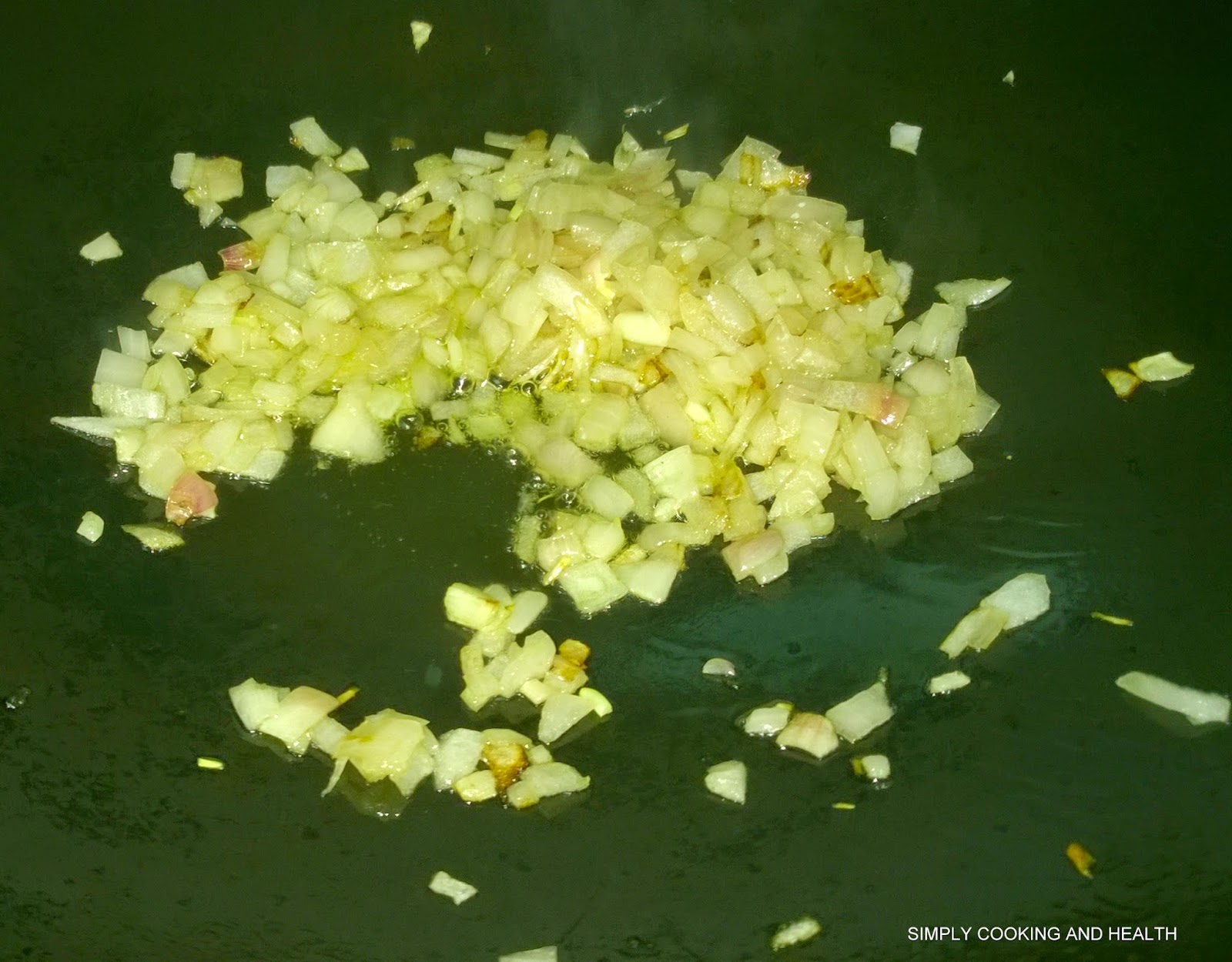
Frying onion
Frying onion

Add sliced red chili pieces and fry for about 2 minutes.
Adding chili
Adding chili

Add snow peas and continue to fry for about 3 minutes. Do not over fry the snow peas because they will change colour quickly and will lose their appeal.
Adding snow peas
Adding snow peas

Add the tomato pieces and fry for another 3 minutes.
Adding tomato
Adding tomato

Add the contents of the pasta sauce to the frying pan. The sauce will be thick. If you want it to be slightly thin add a few tablespoons of water. Mix well and fry for another 3 minutes to warm up the sauce.
Adding the sauce
Adding the sauce


Water added
Added water
Add the cooked spaghetti to the sauce and boil for one or two minutes.
Added Spaghetti with cheese on top

The spaghetti is ready. Serve it while hot and sprinkle the cheese and pickled olives on top. Shake a little pepper powder on top.
Alternatively you can also serve the spaghetti and pour the sauce on top and then add cheese and olives.
The hot chili is the prominent ingredient in this dish.
Finished spaghtti
Finished spaghetti


YOU MAY LIKE TO SEE THIS


Spaghetti with baked chicken and cheesy white sauce


Wednesday, 7 January 2015

Spicy Shrimp stir-fry with shredded coconut


Spicy Shrimp stir-fry with shredded coconut
Spicy Shrimp stir-fry with shredded coconut
Shrimp and prawn refer to the same sea food. In the US the word shrimp is commonly used while in the UK and commonwealth countries the word prawn is used often. Sometimes the word shrimp indicates smaller variety while the word prawn may refer to large forms such as “jumbo prawns” or “tiger prawns”.
Larger shrimps are more expensive than smaller ones. All shrimps will have be shelled and deveined before cooking.  Shelling and deveining small shrimps is a time consuming chore. Hence people avoid small shrimps. Smaller shrimps taste better than larger variety. Shelled and deveined prawns are found in super market shelves. These prawns are processed by machine.

Farmed prawns are cheaper than naturally grown prawns. Prawns are farmed in clear water or brackish water.

Today’s recipe calls for shredded shrimps. So I bought cleaned medium sized shrimps. You can also use dried shrimps. You should soak the dry shrimps in hot water for 15 minutes. The coconut in this recipe greatly enhances the taste of the prawns.


                                      Recipe summary
                                                 For
                     Spicy Shrimp stir-fry with shredded coconut
Preparation time: 20 minutes
Cooking time: 20 minutes
Serves: 4


Preparation
Ingredients
1. Boil the cleaned  shelled, deveined 200 grams prawns with 1/2 tea spoon turmeic and 1/2 tea spoon salt. Shred prawns and mix well with 100 grams shredded
coconut, 1 teaspoon chili powder, 1/2 tea spoon turmei, 1/2 tea spoon salt, 1/2  teaspoon  cumin powder and  Set it aside 
for 15 minutes for it to marinate.

Method

1. In a large frying pan or a wok heat 
Marinated shrimp
marinated shrimp

4 tablespoon vegetable oil or  sesame oil.( I used Indian white sesame oil.) When the oil is hot, add 2 large onions sliced into small pieces,  2 dry red chilies broken into small pieces, and fry for 2 minutes in slow fire.

2. Add 1 sprig curry leaves shredded into small pieces, 
 3 cloves garlic diced, 10 grams ginger diced. Reduce the heat to low and fry for 10 minutes.

3. Now add the marinated prawn coconut mixture and continue frying for 15 minutes, stirring frequently.
Spicy Shrimp stir-fry with shredded coconut
Spicy Shrimp stir-fry with 
shredded coconut

 When the prawn pieces take a golden brown color it is done.

Take the fried prawns off the heat.

Serve hot with rice or bread. This is a very tempting and easy recipe.If you try this dish you will not regret.

shrimp and coconut go a long way with rice.

Spicy Shrimp stir-fry with shredded coconut is ready. 
                                                                                 
                                            Recipe follows in detail with pictures.
                     
                                     
Preparation time: 20 minutes
Cooking time: 20 minutes
Serves: 4
Ingredients for Spicy Shrimp stir-fry with shredded coconut

Ingredients
200 grams prawns, shelled, deveined and shredded
2 dry red chilies broken into small pieces
3 cloves garlic diced
10 grams ginger diced
2 large onions sliced into small pieces
1 sprig curry leaves shredded into small pieces
100 grams shredded coconut
1 teaspoon turmeric
1 teaspoon chili powder
1/2  teaspoon cumin powder
1 teaspoon salt
4 tablespoon vegetable oil

Preparation
Boil the cleaned prawns with turmeic and1/2 tea spoon salt. Shred prawns and mix well with shredded coconut, chili powder, turmeric powder, salt, cumin powder. Set it aside for 15 minutes for it to marinate.
Boiled and shredded shrimp
              mmmmm
Marinated shrimp
marinated shrimp


Method
In a large frying pan or a wok heat the oil. When the oil is hot, add onion dry red chili, and fry for 2 minutes in slow fire
Frying dry chili and onion

Add curry leaves, garlic ginger. Reduce the heat to low and fry for 10 minutes.
Added green chili, curry leaves, garlic and ginger
Added  curry leaves, garlic and ginger

Now add the marinated prawn coconut mixture and continue frying for 15 minutes, stirring frequently.
Added shrimp with coconut

 When the prawn pieces take a golden brown color it is done.
Take the fried prawns off the heat.
Serve hot with rice or bread. This is a very tempting and easy recipe.If you try this dish you will not regret.
shrimp and coconut go a long way.

YOU MAY LIKE THIS.
Raw plantain and prawn stir fry


Monday, 5 January 2015

Simple and mild cabbage stir-fry with grated coconut


cabbage stir fry
cabbage stir fry
Cabbage is good for weight watchers. It contains lot of water. Napa cabbage (also known as Chinese cabbage) is better suited for losing weight as it contains more water than other varieties. Napa cabbage is the base for Korean kimchi.
Cabbage can be consumed cooked or raw.  It can also be pickled. It is good to make probiotic. Sauerkraut   is made from cabbage. Coleslaw is an example of raw cabbage salad. Cabbage juice is nutritious.
There are many varieties of cabbage – green, white, red and Napa. Today I am going to make a tender stir-fry using white cabbage.  You can use any type of cabbage, except red, for this recipe. The leaves of the red cabbage are fairly thick and stiff and not suitable for this type of tender stir-fry.


                              Recipe summary 
                                        For 
       Simple and mild cabbage stir-fry with grated coconut

Preparation time: 15 minutes minutes
Cooking time: 30 minutes
Serves:6

Preparation

 1.Soak 1 tablespoon split chickpea for about 3 hours.     

Boil it for about 10 minutes until it becomes soft.

Drain and set aside.

2. Cut the cabbage into fine strips.

3. Cut 1 leek fine.
Ingredients 

Method

1. Heat a large frying pan or a wok, preferably non-stick.

 Add 3 tablespoon oil and let it become hot.

 Add 3 dry red chilies broken into small pieces and fry for 1 minute.

2.Add ½ tea spoon mustard seeds and wait till it pops 3.Add ½ teaspoon cumin seeds, fry for 1/2 a minute.

3.Add copped leeks and fry for 1 minute.

4.Add chopped 1 onion and fry for 5 minutes in low heat.

5.Add 1 chopped green chili and 1 sprig chopped curry leaves.

6. Add finely cut 10 grams ginger, chopped 3 cloves garlic and fry for 1 minute.

7.Add  ½ teaspoon turmeric and ½ teaspoon chili powder fry for 1 minute. We are adding turmeric powder to give the cabbage a bit of color.

8. Add boiled chickpea, fry for another five minutes in low heat.

9. Add 500 grams drained cabbage and mix well.

cabbage stir fry
cabbage stir fry

Cook for  10 minutes uncovered or until the cabbage becomes soft. I normally do not add any water or salt as the cabbage will  ooze water and become soggy. Keep on stirring using two spoons till the cabbage is cooked. If you like you can cover  in between.

When the cabbage is done add 50 grams  minced or grated coconut and mix well. 


10. Add ½ teaspoon pepper powder and 1 teaspoon salt cook for 2 minutes uncovered. 

 Simple and mild cabbage stir-fry with 
          grated coconut  is ready                                                                


Ingredients for Simple and mild cabbage stir-fry with grated coconut


Preparation time: 15 minutes minutes
Cooking time: 30 minutes
Serves:6

Ingredients

500 gram cabbage chopped into thin long strips
Others
1 onion chopped coarsely
1 leek sliced into small pieces
50 grams minced coconut
1 green chili
3 cloves garlic
10 grams ginger
1 sprig curry leaves
1 tablespoon split chickpea
1 teaspoon salt
Spices

3 dry red chilies broken into small pieces
½ teaspoon pepper powder
½ teaspoon chili powder.
½ teaspoon cumin seeds
½ teaspoon turmeric powder
½ tea spoon mustard seeds
3 tablespoon of vegetable oil


Preparation

Soak the split chickpea for about 3 hours.          
Boiled chickpea
Boiled chickpea
Boil it for about 10 minutes until it becomes soft.
Drain and set aside.

Cut the cabbage into fine strips.

Method
Heat a large frying pan or a wok, preferably non-stick.
Add oil and let it become hot.

Add the broken red chili and fry for 1 minute  add mustard seeds and wait till it pops add  cumin seeds, fry for 1/2 a minute and add leeks and fry for 1 minute add onion and fry for 5 minutes in low heat.
Frying  broken dry chili, mustard, cumin, leeks and onion
Frying  broken dry chili, mustard, cumin, leeks and onion


Add green chili, curry leaf and fry for 1 minute


Adding green chili and curry leaves
Add  ginger, garlic and fry for 1 minute
Adding ginger and garlic
Add turmeric and chili powder fry for 1 minute. We are adding turmeric powder to give the cabbage a bit of color.
Adding turmeric and chili powder
Add boiled chickpea, fry for another five minutes in low heat.
Adding boiled chickpea
Add drained cabbage and mix well.
Adding cabbage
Adding cabbage
Cook for  10 minutes uncovered or until the cabbage becomes soft. I normally do not add any water or salt as the cabbage will  ooze water and become soggy. Keep on stirring using two spoons till the cabbage is cooked. If you like you can cover  in between.

When the cabbage is done add the minced or grated coconut and mix well. Cook for 2 minutes uncovered.


Adding coconut
Adding coconut
Add pepper and salt.
Taste for seasoning and adjust.
Final stage of stir fry
The cabbage stir-fry is ready.
It can be eaten on its own or served with rice or bread.
probiotics 


YOU MAY LIKE TO SEE THESE


Kimchi

Saturday, 3 January 2015

Power of tomato


Cherry tomato
Cherry tomato


Tomato can be called a fruit or vegetable. US Customs defines it as vegetable. Tomatoes are available throughout the year.  Ripe tomato can be eaten raw, cooked or made into sauces and juice. It is liked by children and adults. It is enjoyed throughout the world. While rich in flavour, it enhances the flavour of many food items. It is rich in lycopene  which is considered to be beneficial to chronic ailments such as cancer and cardiovascular diseases.  It is a favourite amongst weight watchers because of its low calorie content.
         
Tomato
Tomato

Tomatoes are well known for their antioxidant content.  They alkalize our system – keep the blood and urine acid level low.

There are hundreds of different tomato varieties. We normally choose our favourite varieties based on their flavour, texture, and appearance.

Surprisingly, researchers found less of a difference between conventionally grown and organically grown tomatoes. But they found that the following four varieties of tomatoes turned out to have a higher average antioxidant content regardless of whether they were grown conventionally or organically: New Girl, Jet Star, Fantastic, and First Lady.

Cherry tomatoes are small, round, cherry-sized fruits. They are very powerful. It is best eaten with olive oil. They are low in saturated fat and cholesterol, low in sodium too. 
Red cherry tomato
Red cherry tomato
Yellow cherry tomato


Estimated Glycemic Load of Tomatoes
½ cup chopped tomatoes: 1
1 tomato, 3 inches in diameter (6.5 oz): 2
1 medium cherry tomato (about ½ ounce): 0
1 medium plum tomato (about 2 oz): 1

Tomatoes are a treasure house of antioxidants. In terms of conventional antioxidants, tomatoes provide an excellent amount of vitamin C and beta-carotene; a very good amount of the mineral manganese; and a good amount of vitamin E.

Tomatoes will retain their flavour and ripen correctly at room temperature. Once they are ripe, use within 3 days or refrigerate.

Green Tomato
Green Tomato


Tomatoes have the following phytonutrients: Flavonones, Flavonols, Hydroxycinnamic acids, Carotenoids, Glycosides and Fatty acid derivatives.
Tomato
Tomato

Tomato is available fresh - ripe and unripe, sauces, ketchup, paste, puree and sun dried. If a recipe calls for peeled tomatoes, drop them in boiling water for a minute or two and then, place them under running water. The skin will then be easy to remove.  Sun dried tomatoes are extremely rich in flavour and are available salted and unsalted.

Tomato seeds cannot be digested and they pass straight through our intestines. Fresh tomatoes can be added to salads, sandwiches or as garnishes to a main meal. Tomato sauces or ketchups are very popular with many kinds of food, such as pizza, spaghetti, various stews, soups and chilies.

Nutritional values for tomato is found here.

Allergic reactions to tomatoes may sometimes occur with symptoms like skin and itching eyes, runny nose, gastrointestinal disturbances like pain abdomen, vomiting and diarrhea.


A packet of tomato
A packet of tomato

My other posts:
Tomato puree spread for pizza

Green Tomato curry

mmmm

Friday, 2 January 2015

Potato

Potato
Potato
Potatoes
Potatoes


The potato is a starchy, tuberous crop. The word "potato" may refer either to the plant itself or the edible tuber. Potato is the fourth largest crop in the world after maize, wheat, and rice. Potato originated in South America and from there it went to Europe and North America. It is an important crop in Europe (especially eastern and central Europe). There per capita potato production is still the highest in the world. Southern and eastern Asia witnessed a rapid expansion of potato production over the past few decades. China now leads the world in potato production. Now, nearly a third of the world's potatoes are harvested in China and India.

There are more than 5000 varieties of potatoes in the world

Red potato
Red potato


Potato is well known for its carbohydrates content. It is high on the glycemic index. Because of this weight watchers avoid this. Potato is high in potassium and Vitamin C. Nutritional value of potato according to USDA database is found here.
http://ndb.nal.usda.gov/ndb/foods/show/3115?qlookup=11352&format=Full&max=25&man=&lfacet=&new=1

Potato is filling and comfort food. In a recent article published in the Journal of the American College of Nutrition, it was shown that one can eat potato and still lose weight. This is welcome news to weight watchers.

Potato can be cooked in numerous forms. It can be boiled
 baked,
roasted
mashed
fried,
pancakes, 
curries,l
soups,
salads,
chips,
hash browns
stews.

It is very convenient thickener for many recipes. Purple potato makes an impressive presentation in salads. Potatoes accept many kinds of seasonings and flavors.

The Department of Agriculture has approved a genetically engineered variety of potato for commercial production. This variety reduces some harmful chemicals in the potato so that French fry and potato chip lovers can continue to eat them without feeling guilty. This new potato also reduces bruising during harvest. This is welcome news to the potato growers.

Potatoes contain toxic compound known as glycoalkaloids which is concentrated in its leaves, stems, sprouts, and fruits. Less of this alkaloid is found in the tuber. A green tinge may indicate the prescience of this alkaloid in the tuber. The glycoalkaloids protect the plant from its predators. Cooking at high temperatures over 170 °C (340 °F) partly destroys these glycoalkaloids. Glycoalkaloids may cause headaches, diarrhea, cramps, and in severe cases coma and death. Poisoning from potatoes occurs very rarely.

Most people consume potato in the form of unhealthy French fries or potato chips. Consuming in the form of baked potato is a healthier choice. Baked potato contains low calories, high fiber and offers protection against cardiovascular disease and cancer.

Thursday, 1 January 2015

Soybean and health

Soybean

Soybean (in US and soya bean in UK) is an edible bean native to East Asia. UN FAO classifies soybean as an oilseed rather than as a pulse. It is classified so because much of the soy produces in USA goes to make vegetable oil. What is left over after processing oil is converted into fat free protein. Unfermented soy products are consumed as soy milk, tofu, sprouts and tofu skin. Fermented products include soy sauce, tempeh, miso, bean paste,  natto and other products. Ninety percent of the soy is produces in the US, Brazil and Argentina.
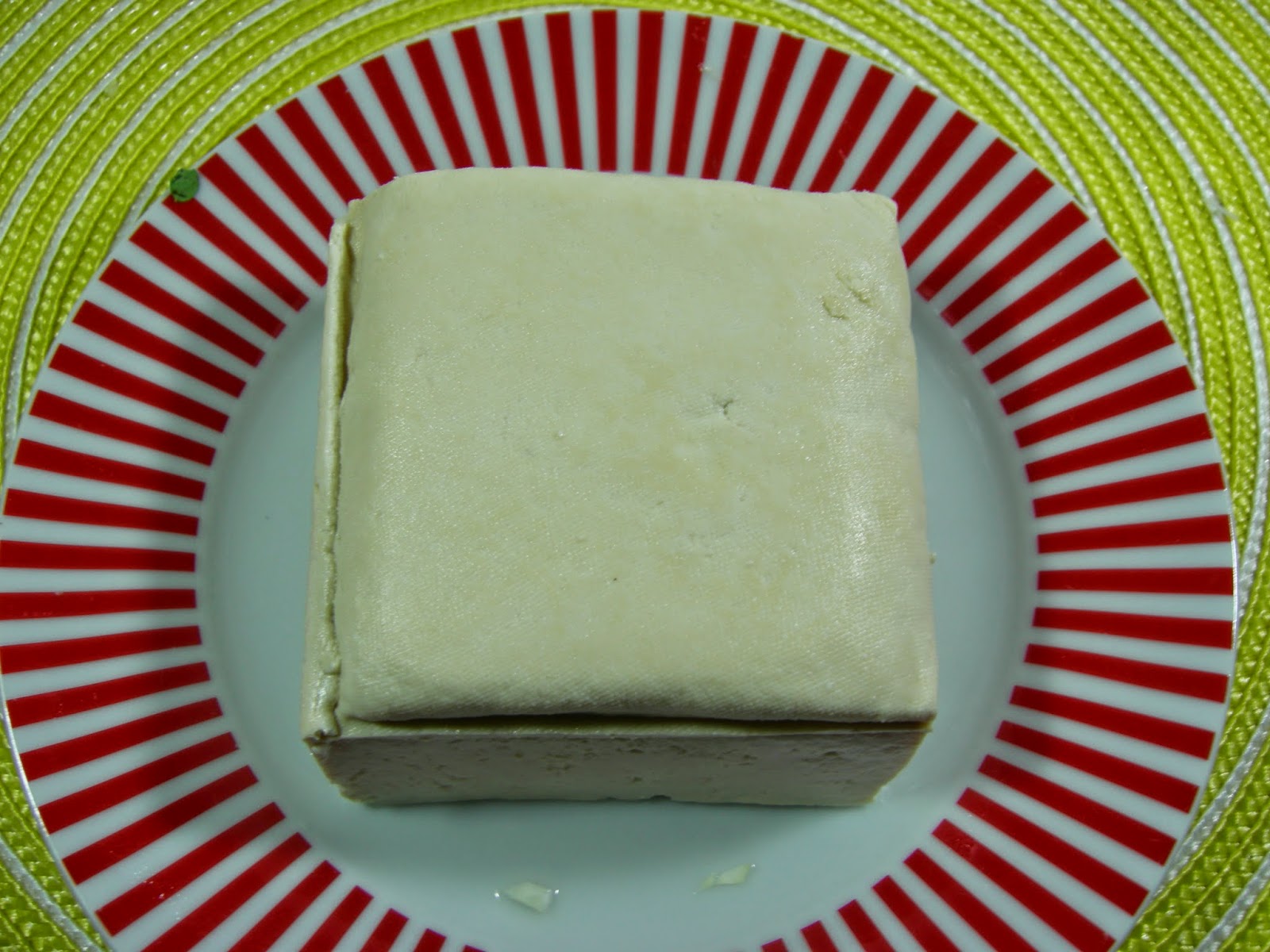
Tofu
Tofu

Nearly 90% of the soybean produced in the US is genetically modified (GM).

Soybean is an important element in Chinese diet. Soybean originated in China and was later adopted by Japan and Korea. Early Chinese documents show the picture of the root only and not the beans. This probably indicates that Chinese used soybean to fix nitrogen in the soil. All legumes do this. The soil becomes fertile.The soybean was not consumed as a food until the fermentation techniques were developed during the Chou Dynasty. The first soy foods were fermented products like tempeh, natto, miso, and soy sauce.
Tempeh
Tempeh


Tofu stir-fry
Tofu stir-fry

 Long later and probably around 2nd Century BC, Chinese scientists discovered a way of precipitating the soymilk to form a pale curd.
Soybean sprouts
Soybean sprouts

 Cooking traditions of soy have evolved over hundreds of generations in the East. These traditions are nonexistent in US and Europe. Findings on health benefits of soy differ widely between Asia and the West (America and Europe). This may be due to the difference in the culinary traditions between East and West.
Mixed vegetable soup

Soybean oil accounts for about 20% of the dry seeds. Protein content of the dry seeds is about 40%. The balance consists of about 35% carbohydrates and 5% ash. The nutrition content of the soybean is given in the USDA database. http://ndb.nal.usda.gov/ndb/foods/show/4820?qlookup=16108&format=Full&max=25&man=&lfacet=&new=1

Many health agencies consider soybeans as a source of complete protein because they contain significant amounts of all the essential amino acids that is required by the human body. Replacement of meat and dairy with soy will improve the intake of folate and vitamin K, calcium, magnesium and iron. At the same time it will reduce cholesterol intake by 123 mg per day and 2.4 grams of saturated fat. Protein content will be reduced by 8 grams per day or 9% of the average daily consumption.
Tofu patty
Tofu patty

College of Medicine at the University of Kentucky found that daily intake of 30 grams of soy protein reduced the risk of coronary heart disease and also lowered the LDL cholesterol level. Soy also has significant antioxidant properties.

Soybeans contain phytic acid, alpha-linolenic acid, and isoflavones. Soybean oil contains four phytosterols: stigmasterol, sitosterol, campesterol, and brassicasterol accounting for about 2.5% of the lipid fraction. The lipid fraction can be converted into steroid hormones.

Not all agree on these findings.

The popularity of soy in the US is due to massive advertising campaign by the industry.
There are always good and bad about all food products. Dr. Mercola argues that the risks of consuming unfermented soy products far outweigh any possible benefits.  http://articles.mercola.com/sites/articles/archive/2010/09/18/soy-can-damage-your-health.aspx
The Whole Soy Story by Dr. Kaayla Daniel pints to several research studies linking soy to malnutrition, digestive distress, immune-system breakdown, thyroid dysfunction, cognitive decline, reproductive disorders and infertility—even cancer and heart disease.

Here are some disadvantages of soy as pointed out by Dr. Mercola and others:

·         High in Phytates – Inhibits absorption of calcium, magnesium, copper, iron and zinc.
·         Trypsin inhibitors found in soy may inhibit protein digestion and may cause pancreatic disorders. Long fermentation process may remove trypsin inhibitors and improve protein digestion.
·         Goitrogens may contribute to hypothyroidism and thyroid cancer.
·         Isoflavones may block normal estrogen and inhibit endocrine function, cause infertility, and may contribute to breast cancer. In the very early days Chinese monks took pureed soybean to help them in their sexual abstinence.  Fermentation may convert the isoflavones to a form that can be easily digested by the body.
·         Vitamin B12 found in soy cannot be used by the body. This may lead to B12 deficiency.
·         Aluminum may wreck your nervous system and kidneys.
·         Manganese may hurt baby's immature metabolic system.
·         A woman's menstrual cycle may be altered by taking just two glasses of soymilk daily. Soy is associated with breast cancer. But I am not going to write anything about it because of the inconclusive (conflicting) research findings that have been published.
·         Using soy based infant formula should be avoided. The regulatory bodies in countries such as Great Britain, Switzerland, Australia, and New Zealand, require that soy infant formulas be used only in children who are not breast fed and are definitely intolerant to cow's milk. Take a look at this article. Soy Infant Formula: A Formula For Disaster - http://www.foodrenegade.com/soy-infant-formula-formula-for-disaster/
·         Those who are on medication for thyroid problems should avoid soy products.

·         Soybean lectins may cause cell injuries and adversely affect the gastrointestinal, immune systems of the body.

The soybean oil is made by solvent extraction process. The solvent is hexane. Hexane is a petroleum product which is harmful to the body. Even if a small trace of hexane is found the product will not qualify as organic.Alcohol extraction may help in removing phytoestrogens. .

There are tons of information in Dr. Mercola’s website.

This is an informative podcast from Youtube. This is lengthy - takes about 42 minutes. If you have the time please watch it.


If you want to consume unfermented soy products do it wisely. Consuming unfermented soybean products three times a week may be acceptable. Soy has good and bad effects. Vegetarians tend to eat soy often as they look for protein. Soy has been used in cooking in some communities from ancient times. Anything is bad when we consume over. It is left to us to  decide when and how to eat.