Thursday, 28 April 2016

Chickpea stir fried with coconut chips

 Chickpea stir fried with coconut chips
 Chickpea stir fried with coconut chips
Chickpea (also known as garbanzo beans) is readily available
everywhere. It can be bought canned or dried. The advantage of
canned chickpea is that it is easy to cook. Dried chickpea takes a long time to cook. A pressure cooker will make it easier to cook it.


It is commonly found in Middle Eastern and Indian cuisine.
Chickpea is used in soups, stews and salads. It is also added to
boiled vegetables and meats. It is famous for hummus and falafel.
Hamburgers and cutlets can be made with chickpeas.


Chickpea flour is used to make pancakes, thicken gravy and curry and as batter for coating to fry vegetables, meat and seafood.

In India and Sri Lanka, street vendors sell boiled chickpeas wrapped in newspaper in the railway stations and on streets.


Chickpea is a nutritious food item with many health benefits. It
provides protein for vegetarians. 


With high fiber content and low glycemic index, it is good for weight watchers.

 It is a good source of iron and manganese. 

Soluble fibre in chickpea stabilizes blood sugar levels.

It can reduce LDL and total cholesterol. 

Saponins in chickpea can lower the risk of breast cancer in women.

Nutritional value of chickpea in USDA database is here.


Here is a simple recipe for boiled chickpea to be taken as a snack or
even as a meal.


                                      Recipe summary
                                                For
                    Chickpea stir fried with coconut chips

Preparation time: 10 minutes (Boiled or canned chick peas)
Cooking time:10 minutes

Serves: 4

1.Soak 200 grams chickpea overnight.

2. In a large sauce pan add enough water, salt and  bring to boil.  Simmer and cook till it is soft and strain it. You can use canned chickpea.

3.In a medium sized pan (I used a wok), heat 2 table spoon  oil. Reduce the heat to low. 

Stir fried chickpea with coconut chips
Stir fried Chickpea with coconut chips

4. Add 1/2 tsp mustard seeds  and  1 dried chili cut into small pieces. After the mustard seeds splutter, 


5.Add 80 grams chopped onion and 10  curry leaves chopped. Stir occasionally. Fry for 10 minutes or till the onion pieces become translucent.
 coconut chips
Coconut chips


6. Add the boiled chickpea and  and 1/2 coconut kernel chopped into very small pieces - as shown in the picture (or 50 grams of shredded coconut)coconut chips and stir for five minutes. you can add 1/2 tsp lime juice (optional)
          
 Chickpea stir fried with coconut chips is ready.
                  Recipe follows in detail with pictures.


Preparation time: 10 minutes (Boiled or canned chick peas)
Cooking time:10 minutes
Serves: 4

Ingredients

Main
200 grams cooked chickpeas
Others
80 grams onion
1 dried chili
1/2 tsp mustard seeds
10 curry leaves
1/2 lime, juice
1/2 tsp salt
2 table spoon vegetable oil
1/2 coconut kernel chopped into very small pieces - as shown in the picture (or 50 grams of shredded coconut)

 coconut chips
Coconut chips

Street vendors would add a pinch of chili powder also. I do not normally do it.

Method
In a medium sized pan (I used a wok), heat the oil. Reduce the heat to low.

Add mustard seeds and dry chili. After the mustard seeds splutter,
add onion and curry leaves. Stir occasionally. Fry for 10 minutes or
till the onion pieces become translucent. It does not matter if the chili is blackened. We are using it for the aroma and not for the heat. You can discard it before eating.


Add the cooked chickpeas and salt. Stir well. Fry for five minutes.

Take it off the heat.


Coconut and chips

                                  Coconut and chips 
Tuesday, 26 April 2016

Onion


Onion
Onion
It is commonly believed that onions provide relief in common cold, asthma, bacterial infections, respiratory problems, angina, cough, chronic asthma, and allergic bronchitis. Onion has also been associated with treatment of immune system, heart ailments, diabetes, cancer, earache, stomach aches, urinary disorders etc.

Onions provide a good source of polyphenol and flavonoid polyphenols. Among the flavonoids, onions provide quercetin. A wide variety of allyl sulfides are found in onion. A wide variety of sulfoxides are also found in onion. Onions are a very good source of biotin, manganese, vitamin B6, copper, vitamin C, dietary fiber, phosphorus, potassium, folate, and vitamin B1.


You can use onion to clean the BBQ and grill. You can also clean a burnt wok or sauce pan with onion. Onion can be used to deodorize the refrigerator or a newly painted room. It will soothe a bee sting. You can rub it as a mosquito repellent. People have used it to clean rusty knives. Some use it to remove warts and acnes.

You can peel onion without shedding tears if you chill it in the refrigerator for 15 minutes before peeling. It also helps to keep the onion submerged in the water while peeling.

There are many varieties onions – white, red, yellow, shallots, pearl onions, spring onion, scallion etc. They impart different tastes and are used in different ways to get the full use of them in flavoring the food.

Scallions are one of the most versatile form of onion. They are long and thin. They go well with any type of dish. They are used cooked or raw. They impart good aroma in raw form.

Spring onions are very much like scallions and are used to substitute each other. They are very mild in flavor, but a little pungent in raw form.

Yellow onions are slightly sweet and are widely used in soups and stews. They give out a wonderful flavor and aroma when caramelized.

White onions are sweeter in flavor. They are available throughout the year and are most widely used. They are favored in salads, sandwiches and pizzas.
Yellow  onion
Yellow onion

Red onions are more flavorful than other onions. They are good for eating raw and in pickles and sauces. They are smaller in size and they cost more.

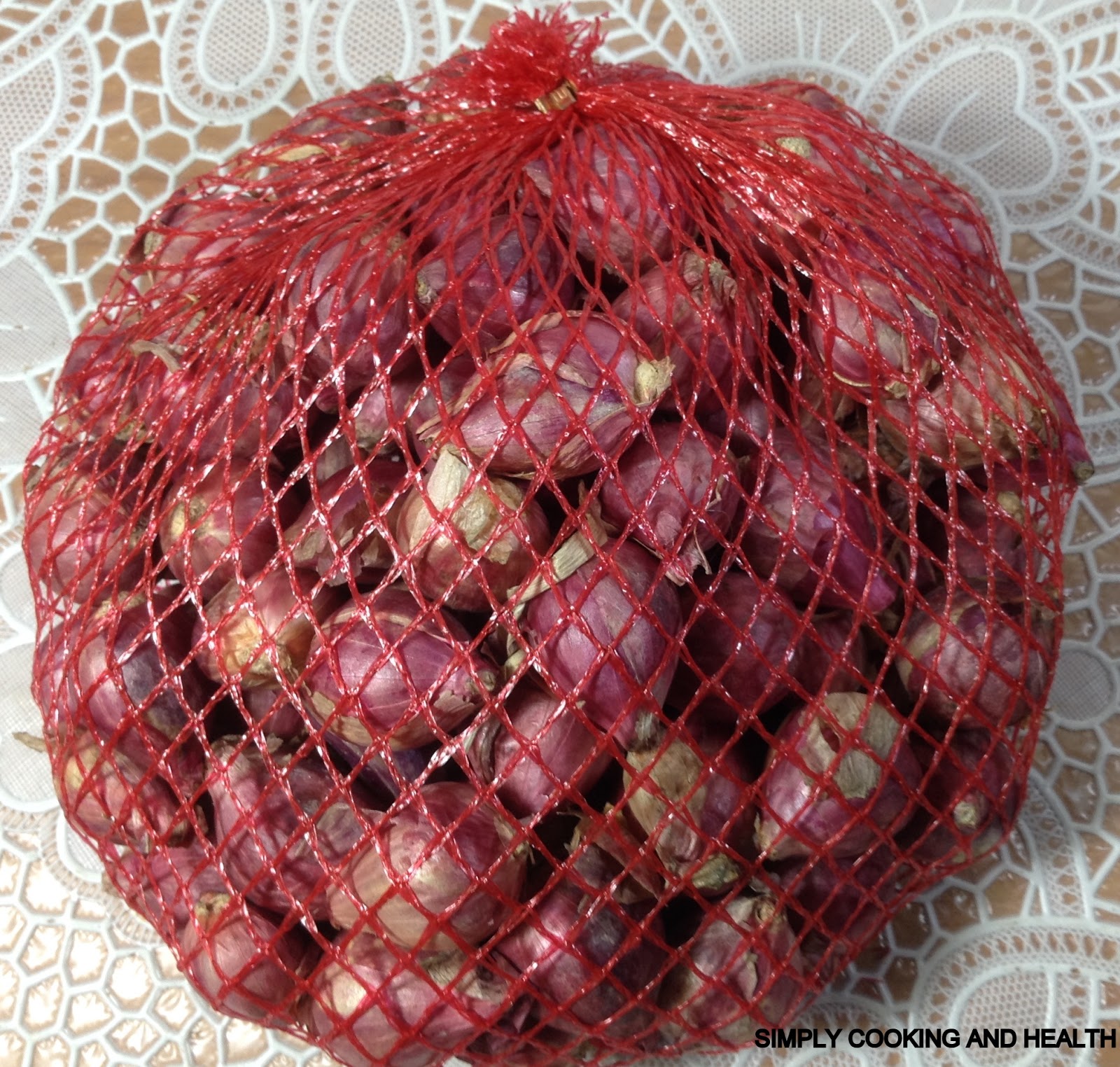
Shallots are the real onions. They are packed with flavors and are indispensable in Asian cuisine. It takes a lot of patience to peel them.
Shallots
Shallots
Shallots
Shallots

Leeks are like scallions. The leaves are hard and fibrous. They are not suitable for eating raw. When sauteed in a little oil they impart the onion flavor. They are favored for soups, stews and stir-fries.

Onions can be stored in a cool dry place for several days. Moisture and humidity spoil the onion. It is not necessary to refrigerate onion. If you store the onion in a refrigerator, you must use it as soon as you take it out of the fridge. After refrigeration if you leave it in room temperature it will spoil quickly.

There is onion in every home in the world.  It is mostly used as a seasoning. Onion sauteed in oil will enhance the taste of any dish. Onion goes well with almost all kinds of food ingredients.

Sunday, 17 April 2016

Easy noodles for convalescent and elderly


Easy noodles for convalescent and elderly
Those who are recuperating from long term illness need to take food that can digest easily. Elderly too need such diet. This recipe is good for such people. It is also very easy to prepare. Idea is to choose ingredients that are easily digestible and nutritious add spices that help in the digestion.

The vegetables were chosen for thier nutrition values and ease of digestion.
Carrots are rich in vitamin A, Vitamin C, Vitamin K, vitamin B8, pantothenic acid, folate, potassium, iron, copper, and manganese.


Carrot
Carrot
Green beans are rich in lutein, beta-carotene, violaxanthin, and neoxanthin.
Beans

Beans 

Sweet corn has many Antioxidant Phytonutrients such as nthocyanins, beta-carotene, caffeic acid, coumaric acid, ferulic acid, lutein, syringic acid, vanillic acid, protocatechuic acid
and zeaxanthin. It is rich in fiber which helps in digestion and in regulating the bowel movement. It also provides energy that would help the patients who are weak.
Sweet corn

Sweet corn 
Cabbage is a good source of phytonutrients such as thiocyanates, lutein, zeaxanthin, isothiocyanates, and sulforaphane, which stimulate detoxifying enzymes. It is rich in Vitamin K, Vitamin C, Vitamin B6 and fiber. It also provides iron, magnesium, phosphorus, calcium for strong bones, and potassium for regulating the heart rate and blood pressure.
Cabbage

Cabbage 
Spinach is an excellent source of vitamin K, vitamin A, manganese, folate, copper, vitamin B2, vitamin B6, vitamin E, calcium and vitamin C.


                                  Recipe summary
                                            For
                 Easy noodles for convalescent and elderly

Preparation time: 15 minutes
Cooking time: 20 minutes
Serves: 4

1.Cut 100 grams  carrots, 100 grams snap green beans, 100 grams sweet corn and 100 grams cabbage and 100 grams spinach.until they are cut into very fine pieces. I processed in a food processor.
Easy noodles for convalescent and elderly
Easy noodles for convalescent
 and elderly 


2Heat 1 table spoon oil in a wok and add 100 grams onion, chopped coarsely onion and 15 grams green chili. Fry for about 5 minutes or till the onions are translucent.

3.Add carrots and continue to stir-fry for 5 minutes. 

4. Add spinach,  9 grams garlic and 5 grams ginger, 1/2 teaspoon  and fry for 3 minutes.


Ingredients

5.Add 240 grams  boiled noodles and mix well. 

6.Add cabbage, snap green beans and sweet corn and continue to fry for 5 minutes. 

7. Add the seasoning found in the packet of maggi mee.

Easy noodles for convalescent and elderly is ready.
                     Recipe follows in detail with picture.


Preparation time: 15 minutes
Cooking time: 20 minutes
Serves: 4

Ingredients
Main
240 grams noodles
Others
100 grams carrots
100 grams snap green beans
100 grams sweet corn
100 grams cabbage
100 grams spinach.
100 grams onion, chopped coarsely
15 grams green chili, sliced into fine pieces.
5 grams ginger
9 grams garlic
1 tablespoon vegetable oil
1/2 teaspoon of salt

Spices
1/4 teaspoon of pepper
Seasoning powder that came with the noodles.

Ginger has excellent digestive capabilities. But I have limited it to the minimum because of its blood thinning properties and because in bigger quantities it may irritate a weak stomach.

Preparation
I processed the main vegetables carrots, snap green beans, sweet corn and cabbage in a food processor until they are cut into very fine pieces. Processing in this manner makes the vegetables easily digestible. I removed all the stems from the spinach and took only the leaves. Spinach is easily digestible and therefore it does not need to be sliced.


Onion and chili
Onion and green chili
In a medium sized pan bring 1 liter of water to the boil. When the water comes to the boil add the noodles, reduced the heat to medium and boil for 3 minutes. After three minutes switch off the heat and let the noodles stand in the pan for 1 minute. Drain the water using a colander and let the noodles drip dry in the colander.

Method
In a large pan or a wok heat the oil and when the oil is hot reduce the heat to medium and add the onion and green chili. Fry for about 5 minutes or till the onions are translucent.

Frying onion and chili
Frying Onion and  chili


Add carrots and continue to stir-fry for 5minutes. Add cabbage, snap green beans and sweet corn and continue to fry for 5 minutes. 

As I processed the vegetables in the processor and microwaved it.
So the cooking time was less.
Ingredients for Easy noodles for convalescent and elderly
Ingredients for Easy noodles for convalescent and elderly

Microwaved vegetables
Micro waved vegetables


Adding vegetables to onion mixture

If the frying pan is very dry add 1/2 cup of water and continue.Add spinach, garlic and ginger and fry for 3 minutes.

Add the boiled noodles and mix well.
Noodles
Noodles

Boiling noodles
Boiling noodles

Add the salt, pepper, seasoning powder found inside the noodle packet and optionally a teaspoon of soy sauce or fish sauce.

You can add eggs too to be more nutritious.


Easy noodles for convalescent and elderly


Taste for seasoning and adjust. Take the noodles off the heat. The noodles is ready.

Nutrition data for this recipe

Nutrition content is computed by adding nutrition values of individual ingredients according to the USDA nutrition database. Water shown here is what is found in the ingredients and not the water added while cooking. This is only an approximation. For further information please read my post “
Nutrition information for my recipes.
 Click the button below to view the nutrition data. Click again to close it.

Sunday, 7 February 2016

Stem cells


Stem cells are a class of undifferentiated cells that are able to differentiate into specialized cell types  (such as skin, muscle, bone, etc.). There are two main sources of stem cells - embryonic stem cells and adult tissue (adult stem cells).  Both the above cell types have the potential to differentiate into different cell types.

These stem cells have been found in tissues such as the brain, bone marrow, blood, blood vessels, skeletal muscles, skin, and the liver. They remain in a quiescent or non-dividing state for years until activated by disease or tissue injury. Adult stem cells can divide or self-renew indefinitely.

Embryonic stem cells are derived from a four- or five-day-old human embryo that is in the blastocyst phase of development. The embryos are usually extras that have been created in IVF (in vitro fertilization) clinics where several eggs are fertilized in a test tube, but only one is implanted into a woman.

Embryonic stem cells are placed into a culture dish containing a nutrient-rich broth. They begin to divide and replicate while maintaining their ability to become any cell type in the human body. Eventually, these undifferentiated cells can be directed to create specialized cells.

Replacement cells and tissues may be used to treat brain disease such as Parkinson's and Alzheimer's by replenishing the tissue. This brings back the specialized brain cells active again. Embryonic stem cells can be directed to differentiate into these types of brain cells, and so treatments are promising.

One day healthy heart cells will be developed in the laboratory to be transplanted into patients with defective cells. Similarly Type 1 diabetes and blood disease will be treated in the like manner.

Main criticism for the research in embryonic stem cell development is that it requires the destruction of an embryo which is capable of development as a human being.

Deer stem cell treatment 

Stem cells are body’s “master cells,” that develop into blood, brain, bones and other organs.  They have the potential to repair, restore, replace and regenerate cells. Because of this some people believe that stem cells treatment can cure all ailments.

Stem cells that come from bone marrow or blood are routinely used in treatment of patients with cancer and other disorders of the blood and immune system.

If you put stem cells in an area where they are not performing the same biological function as they were when in their original location in the body, the cells may multiply, form tumors, or may leave the site you put them in and migrate somewhere else.

In the United States, stem cell products and treatment are strictly controlled by the Food and Drug Administration (FDA). So far, FDA has approved only one stem cell product, Hemacord, a cord blood-derived product used for specified indications in patients with disorders affecting the body’s blood-forming system.

If you are considering stem cell treatment outside the U.S., learn all you can about regulations covering the products in that country. Make sure that the country requires at least clinical studies designed to demonstrate that the product is safe and effective.

In Switzerland and Germany stem cell therapy is available in exclusive clinics, highly customized and tailored to the individual and generally cost USD30k upwards. From New Zealand oral stem cell supplements are available at a much lower cost.

The stem cells used in the treatment are obtained from deer placenta. Deer placenta is said to be close to human placenta chemically. Using animal cells to regenerate your own cells creates a guilt feeling in the mind.

Saturday, 30 January 2016

Breakfast is important


Breakfast ranks lowest in our list of priorities. If we do not have enough time we skip it. Fasting after dinner till the morning, we need energy first thing in the morning. We need calcium, iron, vitamins, protein and fibre in our breakfast. 

Try to include some fruits and vegetable in your breakfast. Fruit and vegetable juice will be good enough.

Breakfast provides essential carbohydrates and restores glucose levels. This keeps our brain functioning properly.

Studies in schools have shown that students who skip breakfast are tardy and skip classes. Children who take a proper breakfast have performed consistently better than those who skip breakfast. They have better concentration and are equipped with problem-solving skills. They demonstrate better memory.

It has been found that those who take a good breakfast regularly are able to control their weight better than those who skip the breakfast. 

The breakfast that we eat, however heavy it is, will be converted into energy and used up during the day time. Whereas unused part of the dinner we take will be stored in the body and will finally be converted into saturated fat, resulting in weight gain.

So the saying goes – Eat breakfast like a king, lunch like a prince and dinner like a pauper.

Often people skip breakfast due to lack of time. Try to wake up 15 minutes early. You can make a good breakfast in 15 minutes. Take a peanut butter sandwich and a banana and eat on the go. If you skip breakfast you will end up eating a heavier lunch or dinner.

Some breakfast ideas from my blog.
Stir-fried luncheon meat, sandwich, can of luncheon meat, a cup of tea, garlic, green chili and egg
Stir-fried luncheon meat, sandwich, can 
of luncheon meat, a cup of tea, garlic,
 green chili and egg

Toasted fish sandwich
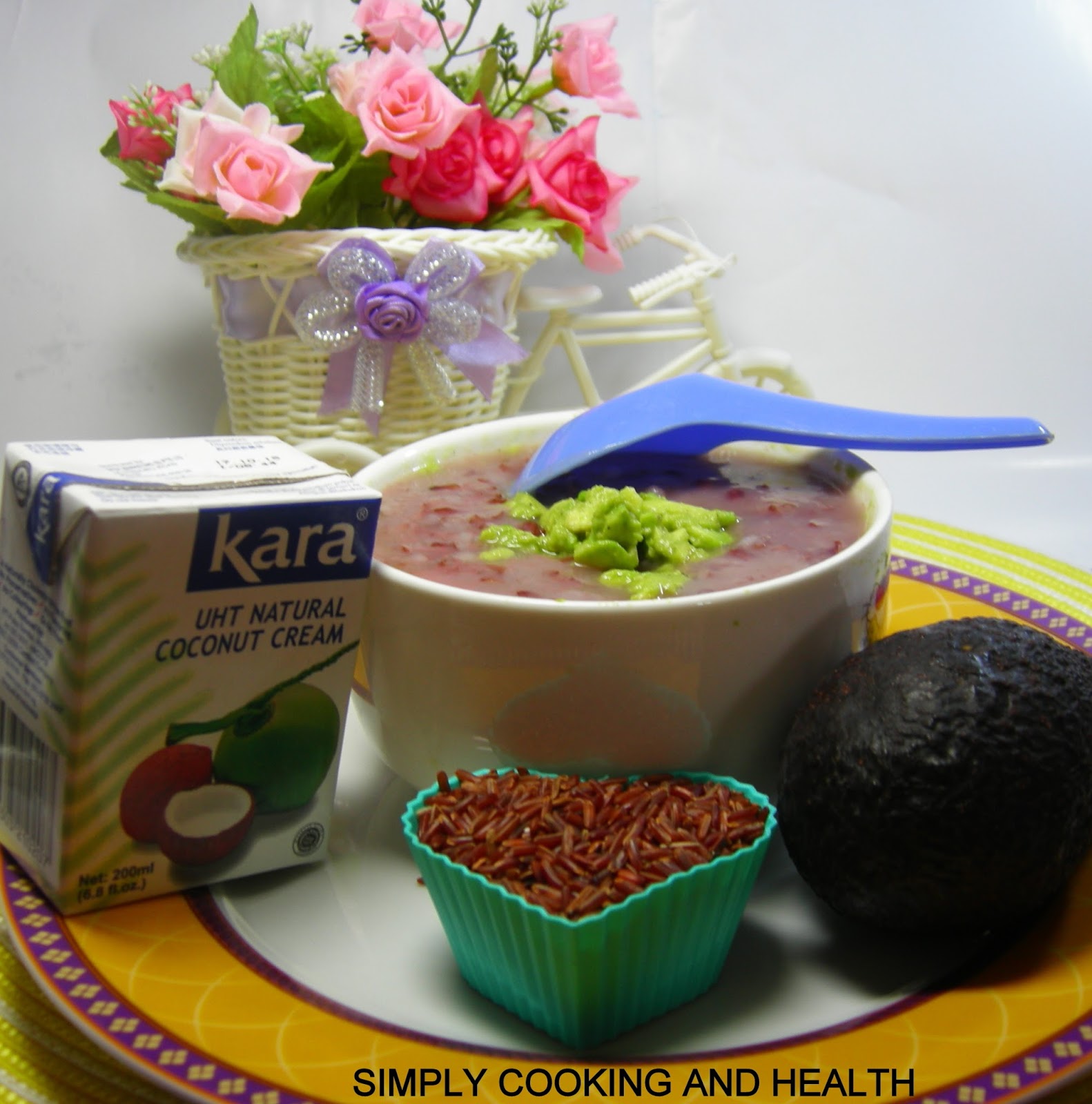
Brown rice porridge with avocado topping
Brown rice porridge 
with avocado topping

Egg sandwich
Egg sandwich

Thursday, 21 January 2016

Healthy oil free spicy egg curry with potato


  Healthy oil free spicy egg curry with potato
  Healthy oil free spicy egg curry with potato

Today I am going to make an egg curry without any oil. It is a simple and easy preparation. I am dispensing with the tempering process which is said to raise the aroma of the curry. But this will be a delicious curry.

            
Recipe summary
For
      Healthy oil free spicy egg curry with potato

Preparation time: 15 minutes


Cooking time: 30 minutes

Serves: 6


 1.In a medium size pan add potato, 100 grams onion, coarsely chopped, 15 grams green chili, cut into fine pieces,10 curry
 leaves chopped, 9 grams garlic cloves, 5 grams ginger grated,

1/2 teaspoon masala powder, 1/2 teaspoon biryani powder, 1/2 teaspoon roasted cumin powder, 1/4 teaspoon  cinnamon powder, 1/2 teaspoon coriander powder, 1/4 teaspoon  turmeric powder, finally  1 teaspoon curry powder, boiled eggs and 1/2 teaspoon salt 3 cups of water or thin coconut milk. Cover and simmer for 20 minutes.
Oil free spicy egg curry with potato


2. Add thick 1/2  cup coconut milk,  1/4 teaspoon  pepper powder, and boil for 3 minutes. Bengal gram powder (optional) Use as a thickening agent for curry. You can use at the end of the curry if it is watery.Taste for seasoning and adjust. squeeze  lime juice to taste before you take to the table. 
                  

3.If you like you can sprinkle 1/4 teaspoon ground powder of dry roast fennel seeds with a few curry leaves and cover  for 2 minutes.  Take off heat.     It will give a nice aroma.      
Spice powders
Spice powders
          
     Healthy oil free spicy egg curry with potato is ready.
                                  

                 Recipe follows in detail with pictures.

Preparation time: 15 minutes
Cooking time: 30 minutes
Serves: 6

Ingredients
Main
6 eggs hard boiled
100 grams purple washed potato, not peeled and cut into bite size pieces.
Others
100 grams onion, coarsely chopped
15 grams green chili, cut into fine pieces
10 curry leaves, chopped
9 grams garlic cloves, sliced
5 grams ginger grated
1/2 cup coconut milk
1/2 teaspoon salt
Spices
1/2 teaspoon garam masala powder
1/2 teaspoon biryani masala powder
1 tablespoon curry powder
1/2 teaspoon roasted cumin powder
1/2 teaspoon coriander powder
1/4 teaspoon cinnamon powder
1/4 teaspoon turmeric  powder
1/2 teaspoon pepper
3 cups water
Bengal gram powder (optional) Use as a thickening agent for curry. You can use at the end of the curry if it is watery.
Spice powders
Spice powders

Preparation
Boil the eggs. Remove the shells and set aside.
Boiled eggs
Boiled eggs

wash and cut the potato into 1 inch pieces
Red skin potato
Red skin potato
Prepare the onion, garlic, ginger, chili and curry leaves
Onion garlic ,ginger,chili and curry leaves
Method.
In a medium size pan add potato, onion, green chili, curry leaves, garlic, ginger and water. 
  Potato,onion,garlic,ginger,curry leaves and water
Potato,onion,garlic,ginger,curry leaves and water
Add thin coconut milk. 
Adding coconut milk
Adding thin coconut milk

Add garam masala powder, biryani powder, cumin powder, cinnamon powder, coriander powder, turmeric powder
finally  curry powder, and boiled eggs and salt. Cover and simmer for 20 minutes.
Adding biryani ,garam masala ,cumin powder
Adding biryani ,garam masala ,cumin powder,cinnamon powder,coriander powder,turmeric powder.
Adding curry powder and eggs

Add thick coconut milk,  pepper and boil for 3 minutes. Taste for seasoning and adjust.
Adding coconut milk
Adding thick coconut milk
If you like you can sprinkle 1/4 teaspoon powder of dry roast fennel seeds with a few curry leaves. It will give a nice aroma to the curry.
You can dry roast 1 tea spoon fennel seeds with 5 or 6 curry leaves on slow fire for few minutes without burning it. grind it in a grinder. If you like you can do a little more and keep in a air tight bottle for future use. It can be used at the end of potato curry, chicken curry, mutton curry and egg curry.

The curry is ready. It can be served with rice or bread.
The curry is ready
The curry is ready


Oil free spicy egg curry with potato
Healthy oil free spicy egg curry with potato


Tip
You can dry roast 1 tea spoon fennel seeds with 5 or 6 curry leaves on slow fire for few minutes without burning it. grind it in a grinder and 
sprinkle it immediately.Cover the curry and off the fire. If you like you can do a little more and keep in a air tight bottle for future use. It can be used at the end of potato curry, chicken curry, mutton curry and egg curry.


Nutrition data for this recipe
Nutrition content is computed by  adding nutrition values of individual ingredients according to the USDA nutrition database. Water shown here is what is found in the ingredients and not the water added while cooking. This is only an approximation. For further information please read my post “Nutrition information for my recipes.”

Click the button below to view the nutrition data. Click again to close it.